

Hambantota
SL/S/GBAS/M/04
Silver Coin Wreck · Silver Coin Wreck
- Period
- Colonial - Dutch
- Year sunk
- 1702
- District
- Hambantota
- Depth
- 8.00–12.00 m
- Vessel type
- Wooden Sail, Bulk Carrier
Overview
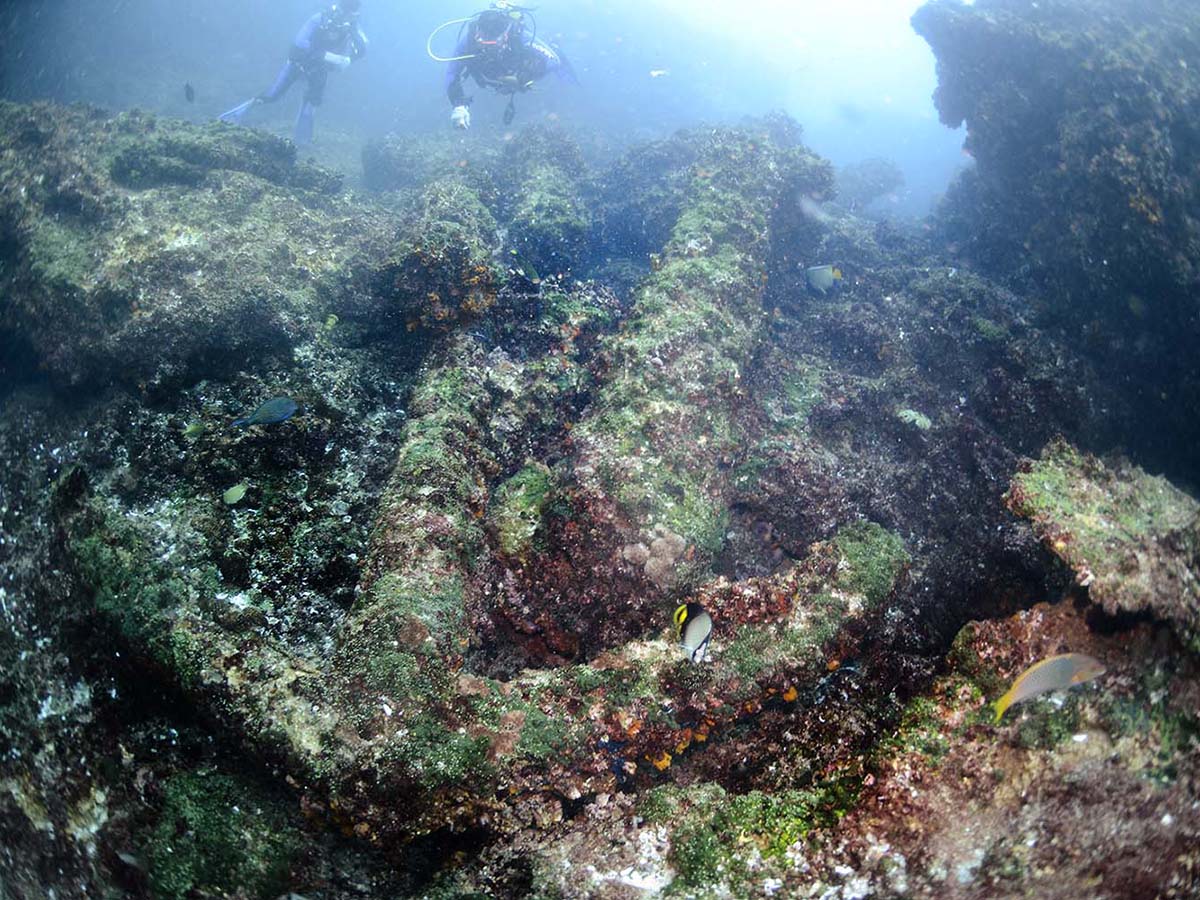
The Silver Coin Wreck received its name due to the remarkable cargo it carried—sacks of Mogul silver coins dating back to 1702, minted in Surat, India, during the reign of the Mughal Emperor Aurangzeb. These historic coins were the focal point of explorations led by recreational divers and underwater photographers Arthur C. Clarke, Mike Wilson, and Rodney Jonklaas.
Situated near the lighthouse in the Great Basses area, the Silver Coin Wreck is a site of immense historical significance. Besides the thousands of silver coins discovered, it boasts nearly 18 large cannons and 3 iron anchors. These remains are situated within a narrow trench nestled between two reefs. This unique location makes reaching the site challenging, as the sea conditions need to be exceptionally calm to access the wreck safely.
Over the years, the Maritime Archaeology Unit (MAU) has maintained an interest in the Silver Coin Wreck. In 2008, 2009, 2013, and 2017, the MAU conducted visits to the site, seeking to delve deeper into its history and significance. During these visits, further explorations were carried out, accompanied by meticulous recordings of the site's features and artifacts.
The allure of the Silver Coin Wreck extends beyond its historical treasures. Its inaccessibility due to the challenging location and the requirement for calm sea conditions adds an element of adventure and intrigue for divers and explorers. As marine archaeologists and diving enthusiasts continue to uncover the mysteries of this site, the Silver Coin Wreck remains a captivating piece of Sri Lanka's maritime heritage, attracting admiration and interest from visitors and scholars alike.
Media gallery
·
Location
Exact location withheld to protect this protected site.
For heritage protection, precise coordinates are not published for this site. Only the general administrative area is shown.
Hambantota, Southern
Protection & status
- Access
- Yes
- Legal status
- Protected by Arch Act
- Archaeological value
- Very High
- Physical protection
- None
- Degradation
- Corrosion
- Degradation
- Fragile
- Owner terrain
- Dept of Archaeology
- Owner terrain
- Sri Lanka Navy
- Owner site
- DoA
- Authority
- MAU-CCF & DoA
- Threat
- Looting
- Threat
- Deterioration
Vessel chronology
1702
Year sunk
References & publications
- Jayawadena, D. (2016) Ghosts of the Deep - Diving the shipwrecks of Sri Lanka, Vijitha Yapa Publications, Colombo, pp.272-281.
- දයානන්ද ඒ.එම්.ඒ සහ කරුණාරත්න මහින්ද (2013) නාවික යාත්රාවලට මරුකපොල්ලක් වූ රාවණා පරය හා එහි දියයට පුරාවිද්යා උරුමය (දෙවන කොටස) දලනිඳු, විද්යුත් පුවත් සරණිය, වෙලුම 05, කාණ්ඩය 02, අප්රේල් 2013, මුහුදු පුරාවිද්යා ඒකකය, මධ්යම සංස්කෘතික අරමුදල
- Clarke, A. C. (1964) The Treasure of the Great Reef. 1st ed. New York: Harper & Row, pp. 12-45.
- Maritime Archaeology in Sri Lanka: Twenty five years old and a new beginning, in SHIPWRECK AROUND THE WORLD : Revelations of the Past (2015)
- Maritime Archaeology and Sri Lanka: Globalization, Immigration, and Transformation in the Underwater Archaeological Record (2013)
Related shipwrecks
NSD-0040
SL/E/UPPU/M/02
- Period
- Colonial - Dutch
- District
- Trincomalee
- Depth
- 41–43 m
.jpg)
Hambantota
SL/S/LBAS/M/01
- Period
- Modern
- District
- Hambantota
- Depth
- 5–16 m
.jpg)
Hambantota
SL/S/GBAS/M/02
- Period
- Colonial - British
- District
- Hambantota
- Depth
- 15–17 m
Hambantota
SL/S/GBAS/M/03
- Period
- Colonial - British
- District
- Hambantota
- Depth
- 7–8 m