The first exposure
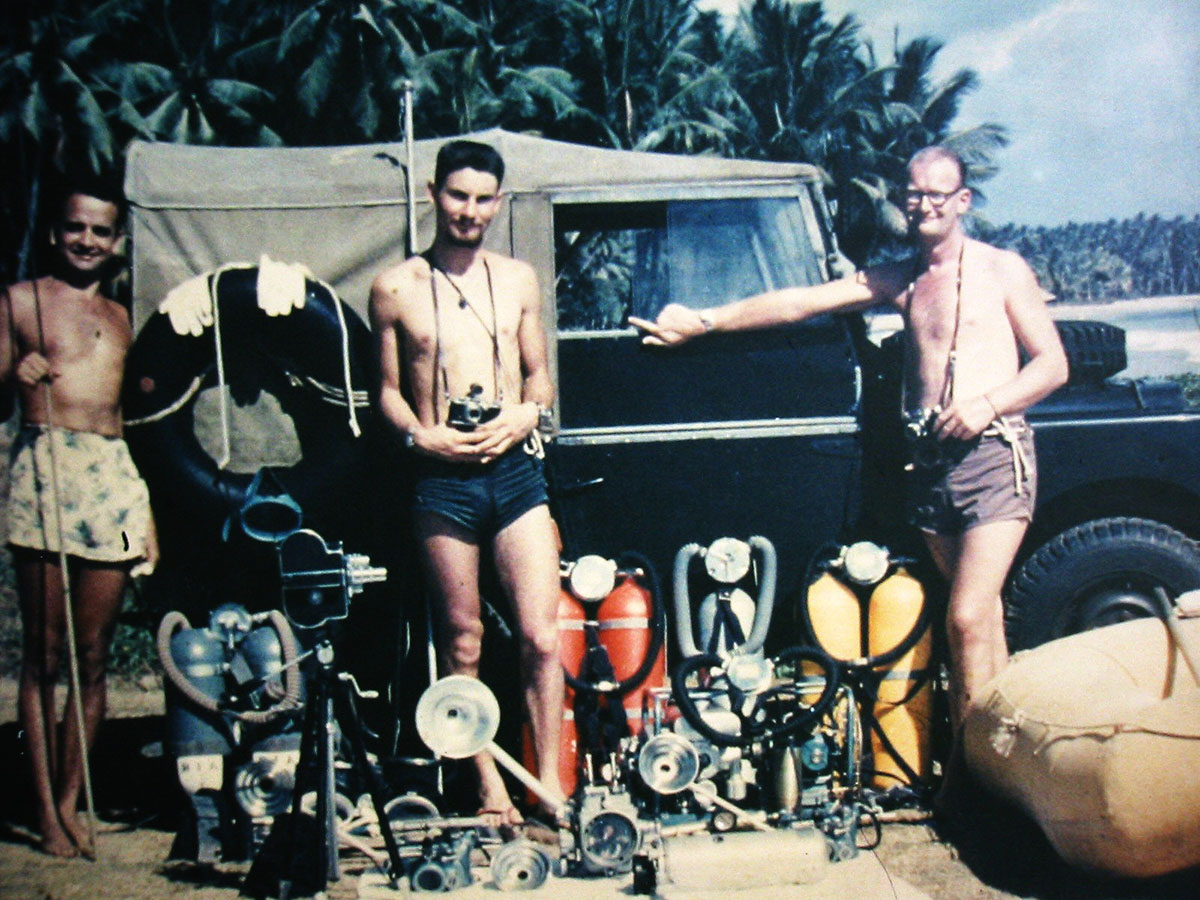
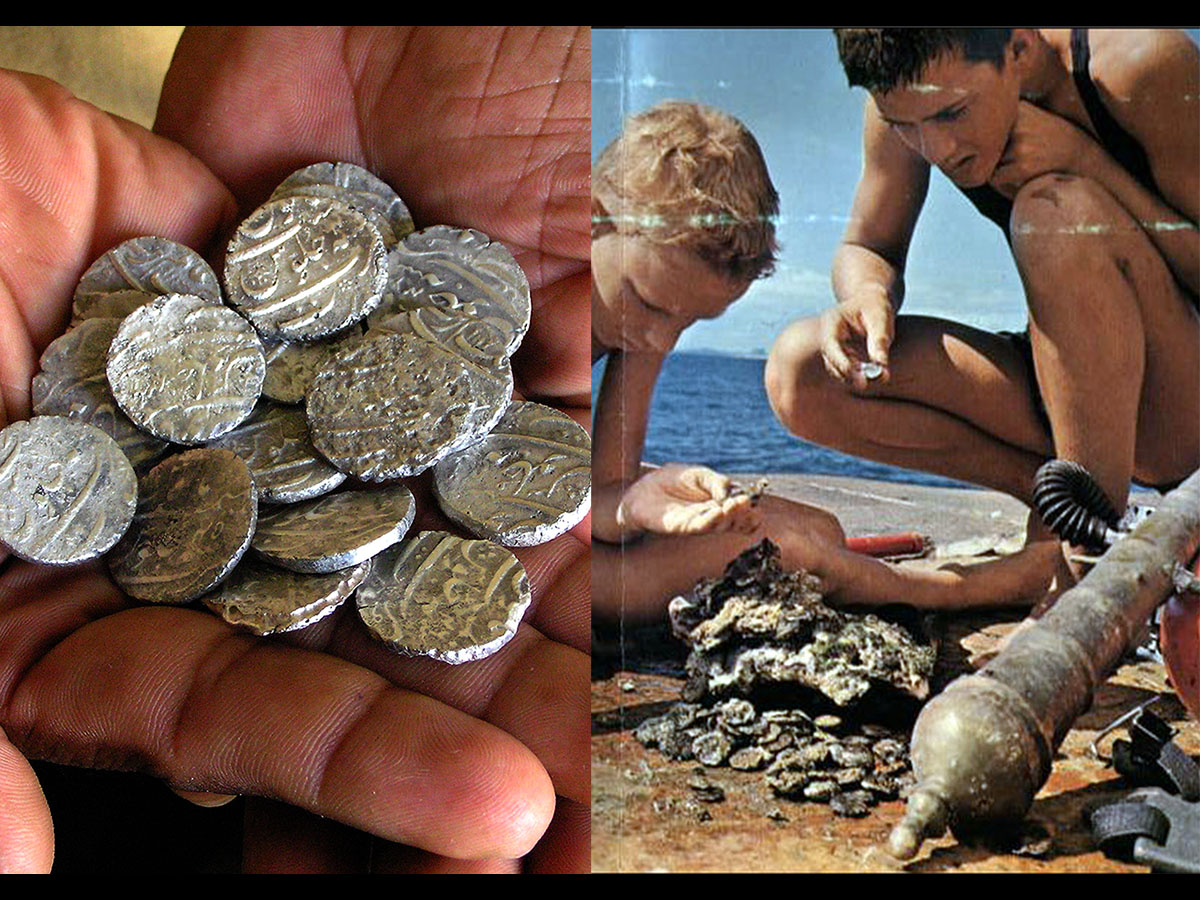
In the early 1960s, sports divers Arthur C. Clarke, Mike Wilson and Rodney Jonklaas’ chance discovery of silver coins on a wreck near the Great Basses lighthouse shone a spotlight on this field. It was called the “Silver Wreck” because it was carrying sacks of Mogul silver coins minted in Surat, India and dated 1702. (Clarke 1964:19–21). Since its discovery, many silver coins from the wreck have been taken out of Sri Lanka and sold. While a few are now in foreign museums, the great majority were stolen and ended up in private hands or in jewellery. Even today, coins are sometimes being secretly sold in Sri Lanka. In his book, “The Treasure of the Great Reef” (1964), The interest generated by this incident made the Sri Lankan government and scholars think about the positive contributions that could be made by the nation’s underwater cultural heritage, and recognize the need for this type of heritage to receive special attention.
.jpg)
.jpg)